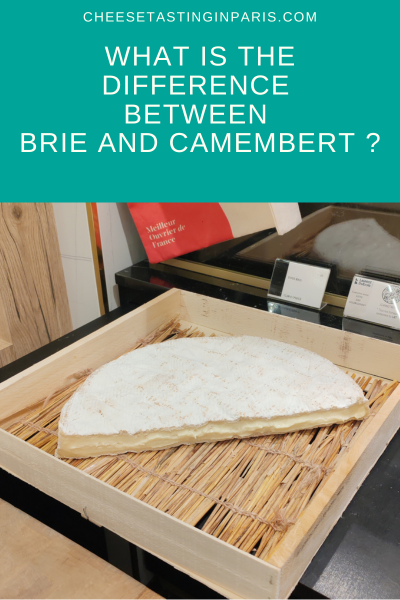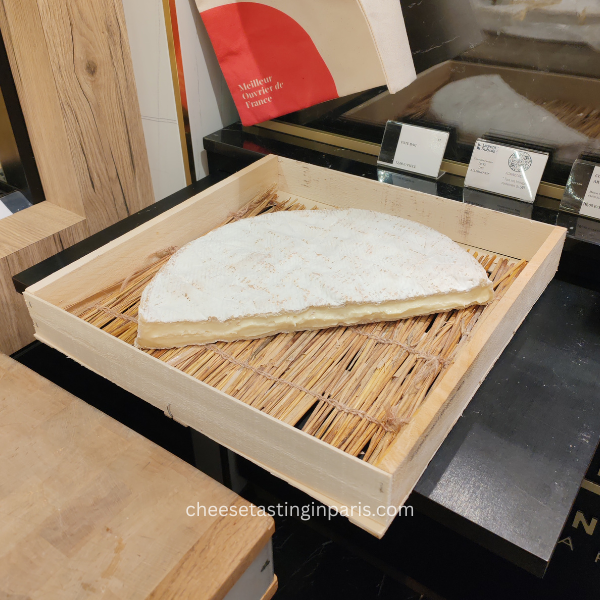
If you love creamy, soft-ripened cheeses, chances are you’ve enjoyed both Brie and Camembert. These French classics look similar at first glance : a soft white rind, a pale yellow interior and a rich, buttery texture. But if you dig a little deeper (or take a careful bite), you’ll find some key differences in flavor, origin and production.
Origin and history
Brie comes from the region of Brie, east of Paris. It has been produced for centuries and was a favorite at royal courts, including that of King Louis XVI.
Camembert, on the other hand, hails from Normandy in northern France. It was first made in the late 18th century by Marie Harel, a farmer who learned cheesemaking techniques from a priest fleeing the French Revolution.
Quick takeaway: Brie is from the Île-de-France region. Camembert is from Normandy.
Size and shape
One of the easiest ways to tell them apart is by size.
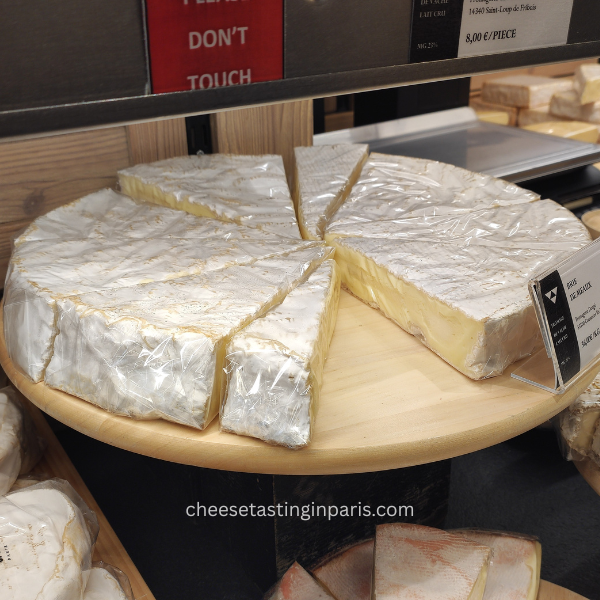
- Brie de Meaux wheels are between 36 cm and 37 in diameter and can be cut into wedges for sale.
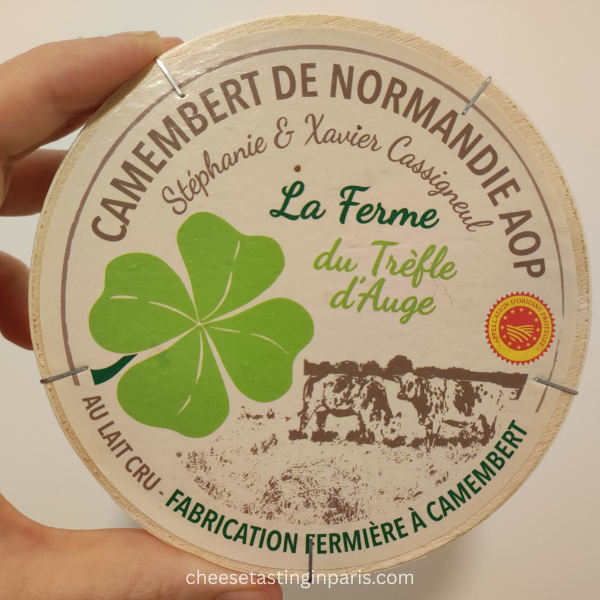
- Camembert wheels are smaller (11 cm) across, and are typically sold whole in small wooden boxes. Cheese shops can sell them by the half.
The size difference affects how the cheese ripens: Camembert matures faster and tends to have a stronger flavor earlier.
Flavor and texture
While both cheeses have a creamy, soft texture, the taste varies:
- Brie de Meaux is mild, buttery, and creamy with subtle earthy notes.
- Camembert de Normandie is more intense, with a deeper earthy and mushroom-like flavor that becomes stronger as it ripens.
Texture-wise, Brie can be slightly runnier in the center, especially when fully matured, while Camembert often feels denser despite being equally creamy.
Remember that depending of where you live, you might find only pasteurized Brie or Camembert that will have a very different flavor than the ones from the French cheese mongers.
Have you evr seen a black Brie ?
| Feature | Brie | Camembert |
|---|---|---|
| Origin | Brie region, Île-de-France | Normandy |
| Size | Large wheel, cut into wedges | Small wheel, sold whole |
| Flavor | Mild, buttery, creamy | Strong, earthy, mushroomy |
| Ripening | Slower | Faster |
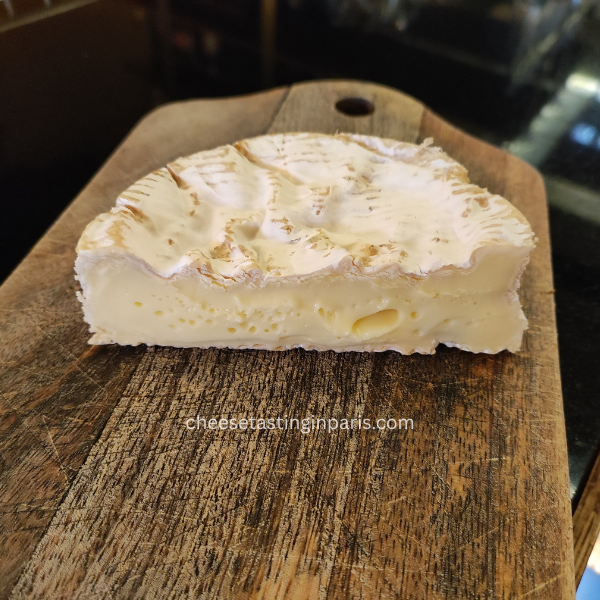
The different types of Brie
Because French people like to make things complicated : yes, there are different types of Brie.
Traditional French Brie comes in several regional varieties, each with its own character. You will find them at the cheese shops :
- Brie de Meaux : the most common one, is produced for one month before being dry-aged for at least four weeks in a humid ripening room where it is frequently turned by hand. Its maturation lasts between eight and ten weeks. Brie de Meaux has a pale straw-yellow paste with a white, downy rind speckled with reddish pigments. Its flavor is less pronounced, and its fruity aroma is enhanced by a hint of terroir.
- Brie de Melun : on the other hand, is the most robust and salty of the three, with a firmer texture and a stronger, more pronounced flavor that appeals to seasoned cheese lovers.
- Brie de Nangis : is milder and creamier, with a delicate taste that makes it ideal for those new to Brie. It has a softer texture and a subtler aroma compared to other varieties.
| Brie Variety | Flavor Profile | Texture | Milk Type | Notable Features |
|---|---|---|---|---|
| Brie de Meaux | Rich, nutty, slightly earthy | Soft, creamy | Raw cow’s milk | Long aging time |
| Brie de Nangis | Mild, delicate, buttery | Soft, smooth | Raw cow’s milk | Milder aroma; perfect for Brie beginners |
| Brie de Melun | Strong, salty, full-bodied | Firm, creamy | Raw cow’s milk | Most robust flavor; saltier than other Bries |
How to serve Brie and Camembert ?
I will always tell you to eat eat plain with bread but since I know you like to add extra things here you are :
- Brie pairs beautifully with fresh fruit, nuts, and mild crackers. It works well with Champagne, chardonnay, or a light red wine like pinot noir.
How to cut and serve Brie like a pro ? Join me for a cheese tasting in Paris how to slide cheese properly. - Camembert matches perfectly with rustic bread, apples and earthy wines such as cabernet franc or cider from Normandy.
- For the best taste, serve both cheeses at room temperature to fully enjoy their aromas and textures.
Recipes with Brie and Camembert from the cheesemonger
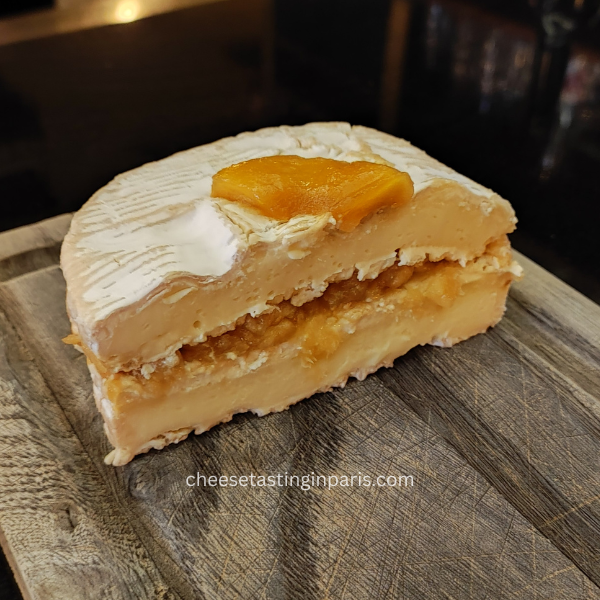
Many cheese shops will transform the cheese with their unique recipes. It’s very common to find truffle Brie for Christmas. You can also find Camembert soaked in Calvados brandy coated with breadcrumbs or Brie with walnuts.
Other questions
Which is stronger, Brie or Camembert?
Camembert generally has a stronger, earthier flavor compared to Brie’s milder, buttery taste. This is due to its smaller size and faster ripening.
If you prefer a milder, creamier cheese, go with Brie.
If you enjoy bold, earthy flavors, try Camembert.
Can I substitute Brie for Camembert in recipes?
Yes, you can substitute them in most recipes but expect a slight difference in flavor. Brie will give a creamier, milder result while Camembert will add a more intense taste.
Why is Camembert sold in wooden boxes?
The small wooden box helps protect the delicate cheese during transport and helps in even ripening.
The main difference between Brie and Camembert lies in their origin, size, flavor and production methods. Brie is typically milder and larger, while Camembert is smaller, stronger, and more rustic in taste. Both, however, are beloved soft cheeses that showcase the richness of French cheesemaking tradition.
So, next time you’re at the cheese counter, you’ll know exactly which one to choose or better yet, bring home both and taste the difference for yourself.
You want to pint it?